
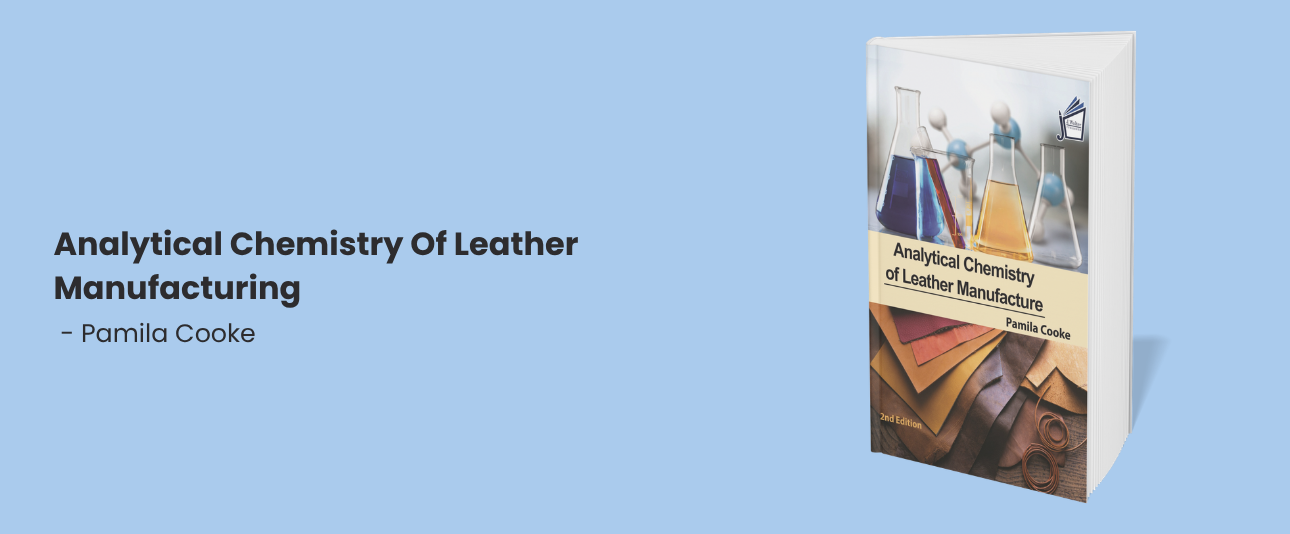
Analytical Chemistry Of Leather Manufacturing

Leather has been used since ancient times as a protective material for clothing and shields, and it continues to play an important role in modern applications such as garments, footwear, accessories, upholstery, and industrial goods. One of the key factors determining leather quality and durability is its pH level, which reflects the effectiveness of tanning and dyeing processes. This book explains standard methods for measuring pH, both in solution and directly on the material, along with essential chemical analyses required during leather processing. It covers testing of water, curing and pretanning chemicals, tanning materials, and various tanning agents, helping readers understand how to assess leather quality and differentiate it from synthetic substitutes.

In addition, the book explores important physical and chemical properties of leather, including resistance to chemicals and oils, water absorption, permeability, and ageing stability. It also discusses tests for pH, fat, chrome, and ash content. The chapters provide a structured overview of leather manufacturing, starting with basic chemistry and traditional methods, followed by processes like deliming, bating, curing, fermentation, and preservation. The book also examines the structure and growth of skin, along with its composition and properties. Designed as a practical reference, it is useful for both students and professionals involved in leather technology and manufacturing.

  • ISBN : 9789353272609
  • Price : USD 295
  • Biinding Hardcover
  • Year : 2022
  • Publisher : J.Walter Publisher

You Also Might Like